Winter Driving Prep: What Actually Matters Before the First Freeze
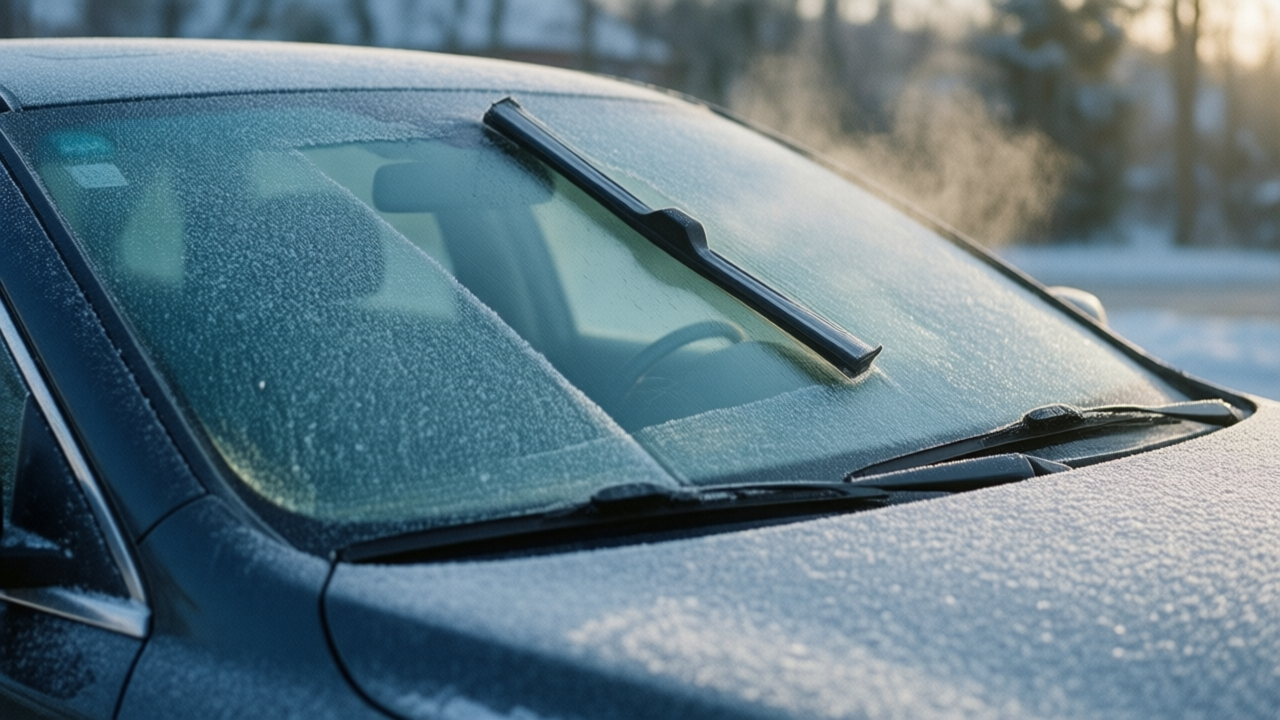
Cold weather does not create new problems in a car so much as find the ones already there. A battery merely weak in October becomes a no-start in January. Tires that were adequate become marginal.
Tires do more than anything else
If you change one thing, change this. Winter traction is overwhelmingly a tire question, not a drivetrain question. All-wheel drive helps you accelerate; it does very little to help you stop or turn on ice.
- Tread depth. Insert a quarter into the tread with Washington's head down. If you can see the top of his head, you are near the end of usable winter traction.
- Rubber compound. Winter tires stay pliable below about forty-five degrees, where all-season rubber stiffens. That flexibility is where grip comes from. In real winter, dedicated winter tires outperform all-wheel drive on all-seasons.
- Pressure. Tire pressure drops roughly one PSI per ten degrees of temperature decline. Check monthly through the cold months, in the morning before driving.
Batteries fail in the cold they were dying in all summer
A battery loses a large share of its cranking power at freezing temperatures, exactly when the engine is hardest to turn over. Most parts stores test batteries free in a few minutes. If yours is over three years old, test it before winter rather than discovering the answer in a parking lot.
While you are there, clean any corrosion off the terminals and check that the clamps are tight.
Visibility is a safety system
- Replace wiper blades that streak or chatter. They are cheap, and they are the difference between seeing and guessing during slush spray.
- Fill the washer reservoir with fluid rated for freezing temperatures. Summer fluid freezes in the lines and can crack the reservoir.
- Check every exterior light, including brake lights you cannot see yourself. Winter means driving in the dark on both ends of the day.
Fluids and the small stuff
Check coolant concentration, since a weak mix can freeze and crack an engine block. Oil thickens in cold weather, so if your manual specifies a lower-viscosity winter grade, use it.
The kit that actually gets used
Most winter kits are aspirational. The items that repeatedly matter are modest:
- A real snow brush with an ice scraper, not the tiny one in the door pocket
- A blanket, hat, and gloves kept in the car, not the ones you carry in and out
- A charged phone power bank
- A folding shovel if you park where plows create berms
- A bag of cat litter or sand for traction under a stuck tire
Technique beats equipment
Everything slows down: braking distances, steering response, your own reaction margin. Leave far more following distance than feels necessary, brake earlier and gentler, and keep steering inputs smooth. If you begin to slide, look where you want to go rather than at what you are trying to avoid, because your hands follow your eyes.
One last habit
Clear the entire car, not a porthole in the windshield. Snow left on the roof slides onto your own glass at the first hard stop, or onto the car behind you at speed.
Article Was Generated By AI.