Fuel Economy: Which Habits Actually Save Money and Which Are Myths
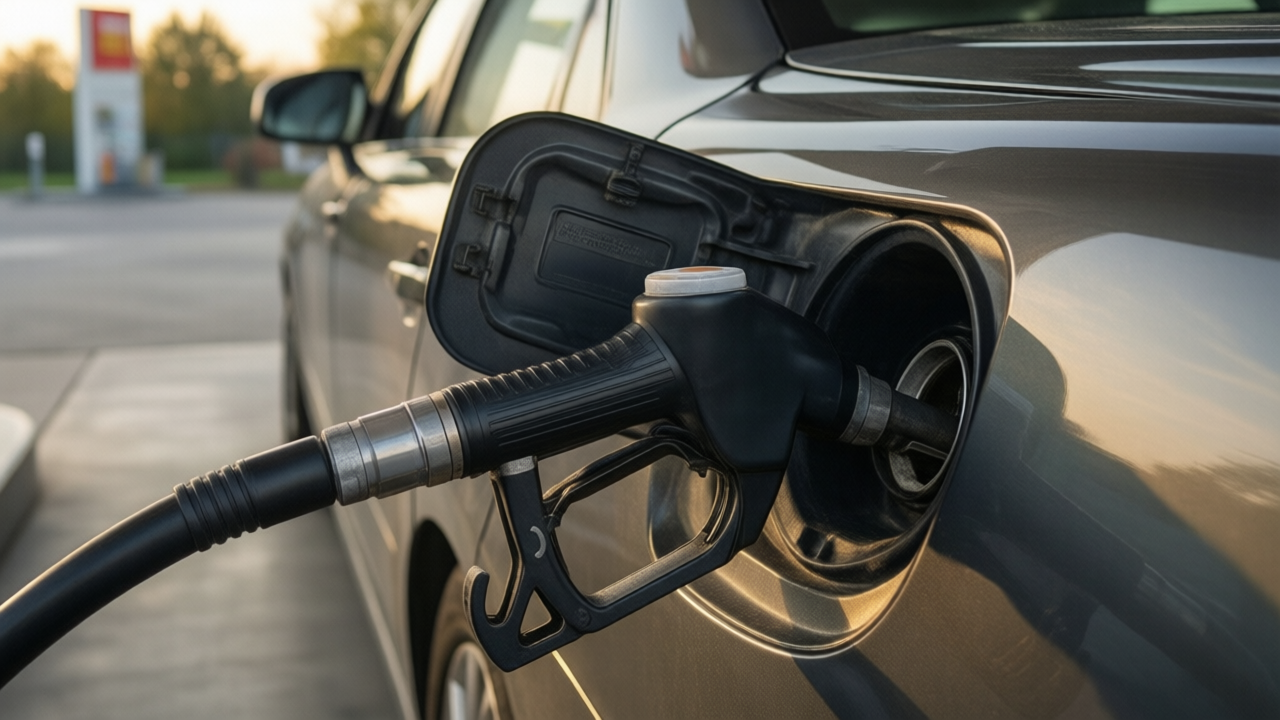
Fuel economy advice is a mixture of sound physics and durable myth. The useful version is short, and most of the benefit comes from three or four habits.
Speed is the biggest lever
Aerodynamic drag rises with the square of speed, so the energy required climbs steeply as you go faster. For most vehicles, efficiency peaks somewhere between fifty and sixty miles per hour and declines noticeably above that.
Dropping from eighty to seventy on a highway trip produces a larger improvement than nearly anything else, and costs a few minutes over a long drive.
Smoothness is second
Every hard acceleration converts fuel into speed, and every hard brake converts that speed into heat and throws it away. The fix is looking further ahead: anticipating lights, coasting toward a stop instead of holding speed and braking late, accelerating moderately.
This is where aggressive driving costs the most, particularly in city driving where the cycle repeats constantly.
Tire pressure and weight
Underinflated tires increase rolling resistance measurably. Check monthly, cold, against the door-jamb specification. It is free, and it improves tire life and handling too.
Remove roof racks and cargo boxes when not in use. A roof box can cost a substantial share of highway economy because it sits directly in the airstream. Weight in the trunk matters far less than people assume, mattering mostly in stop-and-go driving where you repeatedly accelerate it.
Maintenance that actually shows up
- A severely clogged air filter affects older carbureted engines significantly, but on modern fuel-injected engines the effect is small.
- Worn spark plugs and failing oxygen sensors do measurably hurt economy, and a check engine light frequently indicates exactly this.
- Correct-viscosity oil matters modestly. A heavier grade than specified costs a little efficiency.
The myths
- Premium fuel improves economy in a car that does not require it. It does not. Use what the manufacturer specifies. If the manual says premium is required, use it, since the engine's timing depends on it.
- Warming up a modern engine for several minutes. Modern engines warm faster under gentle load. Thirty seconds is usually enough, and extended idling is pure waste.
- Additives and magnets promising dramatic gains. No credible independent testing supports the significant claims.
- Air conditioning always hurts more than open windows. At low speeds, windows are cheaper. At highway speeds the aerodynamic penalty of open windows generally exceeds the compressor load, so air conditioning is roughly a wash or better.
- Coasting in neutral saves fuel. Modern engines cut fuel entirely when coasting in gear, so neutral can use slightly more while removing engine braking.
Trip planning is underrated
A cold engine is meaningfully less efficient for the first several minutes. Several short separate trips consume noticeably more than the same distance combined into one, because each starts cold. Combining errands is among the most effective and least discussed changes.
Keeping perspective
Good habits might realistically improve economy by ten to twenty percent, which is real money over a year. But the vehicle itself sets the range within which those habits operate. If fuel cost is a primary concern, that is a purchase decision more than a driving-technique decision.
Article Was Generated By AI.